

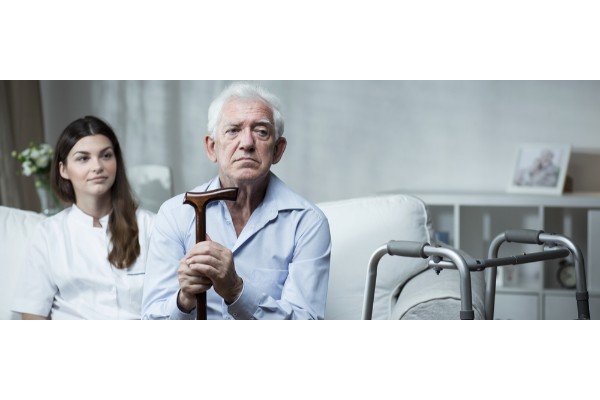
 The decision to put a loved one in a nursing home is a tough one. We trust that our family member will be given the care and compassion that they deserve. Unfortunately, however, sometimes there are signs that a loved one is being abused or neglected by the very people who are responsible for his or her daily needs. This past October, three Long Island nursing home employees were criminally convicted after they neglected an elderly resident, resulting in his death. In September, a nursing home owner in Ostego County pled guilty to endangering the welfare of an incompetent or physically disabled person after a number of instances of neglect were found in the home.
Abuse can take many different forms, from neglect to physical assault. Elderly people are more susceptible to abuse, especially if they have dementia or other disabilities. They may be unable to report what has happened to them or be afraid to do so.
Neglect
Staff at a nursing home are charged with taking care of the physical and medical needs of the home’s residents. Neglect can occur when a patient’s needs are not taken care of. This includes things like hygiene, food, water, clothing, and medical care. Neglect is usually the result of poor staffing or failure to properly train staff.
Physical Abuse
Physical abuse is the intentional hitting, kicking, pinching, pushing, or inappropriate restraint of a resident. If your loved one has unexplained injuries or is fearful of staff members, it could be a sign of physical abuse.
Emotional Abuse
Not as easy to identify, emotional abuse can include humiliation, belittling, criticizing, shaming, yelling, and depriving a patient of social contact. If your loved one is withdrawn, depressed, or fearful of staff, it may be a sign of emotional abuse.
Sexual Abuse
Sexual contact or exploitation, especially of those residents who are incapable of consent, constitutes sexual abuse.
Financial Abuse
Financial abuse occurs when a caregiver uses the financial resources of a patient, or the patient’s identity, for their own personal gain. It’s important to keep a close eye on your loved one’s finances and look for unexplained transactions to identify financial abuse.
Contact an Experienced Attorney
If you believe your loved one has been abused or neglected in a nursing home, you should have an experienced attorney evaluate your case. At Bonina & Bonina, P.C., we have over 50 years of experience helping injured New Yorkers. Contact us online or call us at 1-888-MEDLAW1 to schedule your free consultation. Home and hospital visits are available. Se habla español.